


Find Cheap Ammunition Without Sacrificing Quality: A Practical Guide for Budget-Conscious Shooters
Shooting until your shoulder aches shouldn’t require a second mortgage, and that’s exactly where cheap ammunition steps in—reliable, functional rounds that deliver the same bang for a fraction of the price. By using simpler casings, lighter projectiles, or bulk manufacturing methods, these cartridges keep every trigger pull affordable without sacrificing the core physics of velocity and impact. You get more range time, more practice reps, and more confidence in your aim, all while stretching every dollar further downrange. Cheap ammunition is the smart shooter’s secret to turning a budget into a bottomless magazine.
What Actually Makes Budget Ammo Affordable Without Being Unsafe?
Budget ammo gets cheap because manufacturers cut costs on packaging, primers, and projectile materials, not on the safety-critical brass case or powder charge. You pay for 9mm Ammo for Sale plain cardboard boxes, boxer primers instead of fancier magnum ones, and lead-core or bi-metal jackets that foul barrels faster. The pressure specs and case wall thickness remain identical to premium rounds—safety comes from the load data, not the polish. So cheap rounds might be dirtier, less accurate, and harder on your extractor, but they won’t blow up your gun because the powder weight is still verified and the case is still full-length resized.
The real trick is that savings come from surface-level finishes and bulk logistics, while the internal pressure envelope stays exactly within SAAMI limits.
That’s why a $0.35 round and a $1.50 round both fire safely—they share the same foundational metallurgy and charge verification, just not the same consistency or cleanliness.
Breaking Down the Manufacturing Shortcuts That Lower the Price
The primary cost-cutting in budget ammunition begins with **brass case processing**—manufacturers skip multiple annealing and resizing steps, accepting slightly shorter case life while maintaining safe chamber dimensions. Projectile choice also matters: instead of precision-drawn copper jackets, budget rounds often use thinner electroplated or bi-metal jackets, which reduce material expense but can increase barrel fouling. Powder charges are metered with looser tolerances, sacrificing velocity consistency but staying within safe pressure envelopes. Primers are often crimped rather than sealed, reducing labor while still preventing setback. The final shortcut is automated high-speed loading with fewer quality inspections, relying on statistical sampling rather than every-round checks. These shortcuts rarely compromise safety, but they do affect accuracy, consistency, and reloadability in ways premium brands avoid.
Budget ammo lowers price by skipping case annealing, using plated jackets, looser powder metering, and automated inspections—all while keeping pressure within safe limits.
Brass vs. Steel vs. Aluminum Cases: Where the Savings Really Come From
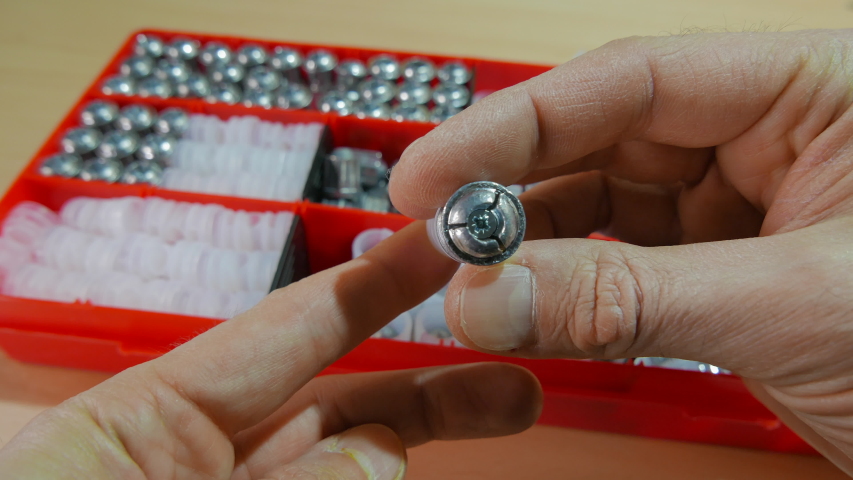
The core savings in budget ammo hinge on case material. **Brass cases command a premium** because they’re fully reloadable and expand to seal the chamber, offering superior extraction reliability, but the spent case retains resale value that offsets cost. Steel cases, typically lacquered or polymer-coated, are cheaper because the steel is drawn thinner and cannot be reloaded—you’re paying for single-use convenience, plus a hardened steel case is harder on extractors and often leaves a sticky residue. Aluminum cases split the difference: lighter and cheaper than brass but prone to swelling and sticking in tight chambers, especially after rapid fire. The real savings come from forfeiting reloadability and accepting harder bolt impacts, not from cutting powder 7mm Rem Ultra Mag Ammo for Sale or primer quality.
Why Bulk Packing and Plain Packaging Cut Costs per Round
Bulk packing and plain packaging cut costs per round by reducing material and labor expenses at every stage. Cardboard boxes holding 500 or 1,000 rounds replace individual cardboard or plastic trays, which means less packaging waste per cartridge and faster filling lines. Plain, unprinted boxes eliminate design fees, ink, and specialized printing machinery, shifting those savings directly to the shelf price. Because these savings are modest per round, they matter most to high-volume shooters who buy thousands at a time. The lack of fancy branding also simplifies warehousing and shipping, as uniform boxes stack more efficiently and weigh less per unit. Plain packaging reduces per-round overhead without altering the cartridge’s function, making it a core reason budget ammo stays affordable.
Bulk packing and plain packaging cut costs per round by trimming packaging material, printing, and handling expenses, while leaving ballistic performance untouched.
How to Spot Reliable Low-Cost Rounds for Range Day vs. Self-Defense
For range day, cheap ammo is about consistency over perfection—look for brass-cased rounds with a sealed primer and consistent bullet seating, since loose crimps or wobbly projectiles are the first signs of sloppy QC. Skip anything with visible dents, tarnished cases, or a gritty feel when you rack a dummy round through your gun. For self-defense, never trust bargain hollow points—they can fail to expand or short-stroke your slide under stress. Instead, buy a small box of premium defensive loads, but test the cheapest FMJ that cycles reliably in your firearm as your training baseline; if it jams in a magazine full of 17, it’s not “cheap” — it’s a liability. The real trick: stick to well-known budget brands like Blazer or S&B, and always verify the lot number matches—mismatched batches from clearance bins often hide pressure issues.
FMJ vs. JHP: The Price-to-Performance Tradeoff at the Range
At the range, the FMJ vs. JHP tradeoff is purely financial and functional. Full metal Ammunition for Sale jacket rounds are reliably cheap, typically costing 30–50% less per box than jacketed hollow points, allowing for high-volume practice without burning through your budget. Their hardened lead core and copper jacket feed flawlessly in most pistols, making them ideal for malfunction drills and accuracy work. Conversely, JHP’s expansion mechanism is wasted on paper targets, offering no tangible performance benefit at 10 yards while costing a premium. The real value lies in buying a small JHP stash for carry and spending the savings on bulk FMJ for repetitive trigger time. This split strategy maximizes your skill development without compromising defensive readiness. The price-to-performance tradeoff at the range is simple: FMJ pays for reps, JHP pays for peace of mind.
- FMJ frequently costs under $0.25 per round in bulk; JHP often exceeds $0.40.
- JHP’s expansion is irrelevant on paper targets—FMJ punches the same hole for less money.
- A 100-round JHP practice session equals roughly 150–180 rounds of FMJ for the same cost.
Which Calibers Give You the Most Shots for Your Dollar Right Now
For range volume, 9mm Luger remains the cheapest centerfire per round, often costing half as much as .45 ACP while delivering comparable practice value. .22 Long Rifle dominates absolute shot count, with bulk bricks priced far below any handgun cartridge. For rifle shooters, 5.56 NATO frequently undercuts 7.62×39 in current bulk pricing, while .308 Win costs roughly double per trigger pull. To maximize sessions:
- Buy 9mm in 1000-round cases for the best price-per-box ratio.
- Use .22 LR for drills requiring high repetition without recoil fatigue.
- Choose 5.56 over .300 Blackout for carbine practice, since the latter runs 1.5–2× the cost per shot.
Skip exotic calibers like 10mm or .327 Federal—their scarcity inflates round-for-round value and erodes your savings instantly.
Reading Velocity and Grain Weight Specs on Budget Boxes Like a Pro
On budget boxes, velocity and grain weight are the first specs to 6mm Remington Ammo for Sale decode, as they dictate recoil impulse and terminal performance. A 115-grain 9mm at a claimed 1,180 fps from a full-size barrel will feel snappier than a 147-grain subsonic load, but the heavier slug often penetrates deeper through clothing. Check the box’s listed velocity against your actual barrel length—shorter barrels lose 50–100 fps, meaning a “defensive” load might drop below expansion thresholds. Likewise, compare grain weight to your firearm’s twist rate; a 55-grain .223 in a 1:7 twist will stabilize poorly, producing keyholing at range. Reading velocity and grain weight specs on budget boxes lets you predict whether a cheap round cycles reliably without wasting a box to test-fire.
**Q: How do I spot inflated velocity numbers on bargain ammo?**
A: Cross-reference the stated fps with the powder charge’s implied burn rate—if a budget 124-grain claims 1,250 fps from a 4-inch barrel, it’s likely optimistic; expect 1,150–1,200 fps and plan for a flatter trajectory accordingly.
Practical Ways to Stretch Your Shooting Budget With Cheap Cartridges
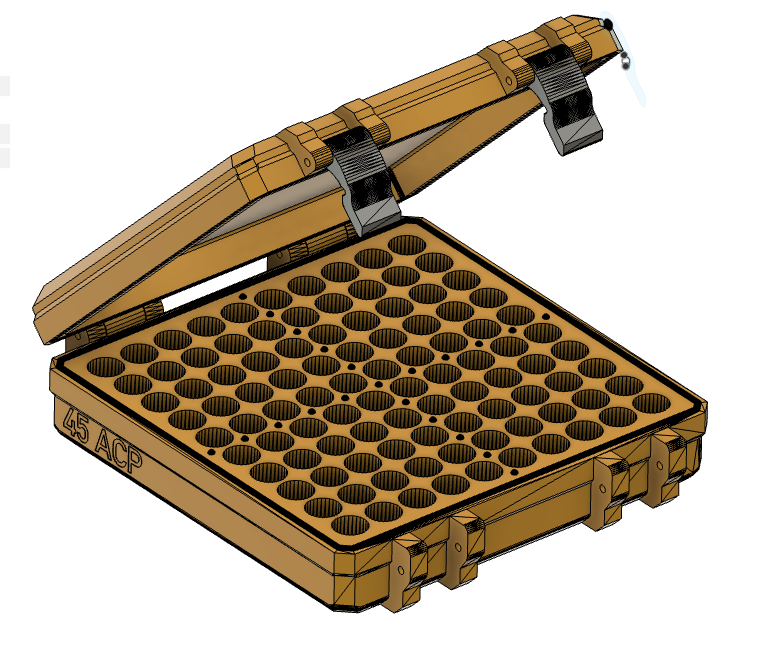
To truly stretch your shooting budget with cheap ammunition, buy in bulk from online retailers—shipping costs are amortized, and per-round prices drop significantly at case quantities. Focus on practice-grade loads like steel-case or aluminum-case ammo for routine drills, saving your premium defensive rounds for function checks only. Reloading your own cheap cartridges from once-fired brass and bulk projectiles can cut costs by half, but only if you already own the press; otherwise, the upfront investment kills the savings. For rimfire shooters, stick to cheaper high-velocity bulk packs rather than premium match ammo for plinking. Accuracy testing with cheap ammo occasionally reveals a surprisingly tight lot that performs as well as expensive options. Finally, group your sessions—fewer trips to the range 9×18 Makarov Ammo for Sale reduce travel costs, leaving more money for actual ammunition.
Buying Military Surplus vs. New Production: Pros and Cons for Plinking

For plinking, military surplus ammunition offers undeniable cost-per-round savings, often dipping below new-production pricing, but you trade consistency for that bargain. Surplus batches may exhibit varied headstamps, corrosive primers, and overall lower accuracy, which is fine for casual can-blasting yet frustrating if you expect tight groups. New production, while pricier, guarantees uniform ballistics, reliable ignition, and cleaner-burning powders that reduce barrel fouling between sessions. The real calculus hinges on your rifle’s tolerance—a battle-worn action digests surplus’s uneven pressure, but a precision barrel shines with fresh loads. Ultimately, surplus’s diminished accuracy demands you shoot slower to confirm zero, whereas new ammo lets you burn through hundreds of rounds without readjusting, making your per-hit cost the decisive factor.
How to Catch Sales, Rebates, and Clearance Drops on Value Packs
To catch value pack ammunition deals, set price alerts on major retailers like MidwayUSA and Brownells, as their daily deals often slash bulk boxes by 10–20%. Sign up for manufacturer newsletters—Winchester, Federal, and Remington regularly email rebate codes that stack with clearance pricing. Check brick-and-mortar stores like Walmart or Cabela’s during early-week mornings, when shelf tags are updated and seasonal overstock gets marked down. Use an app like Slickguns to aggregate live listings, filtering by “free shipping” to avoid hidden costs. For rebates, photograph your receipt immediately and file claims within 48 hours, since value pack promo windows cap at limited quantities.
Persistently monitoring email alerts, weekly ad flips, and rebate portals—plus acting within hours—is the core method for capturing value pack sales, rebates, and clearance drops.
Mixing High-End and Budget Loads: When It Makes Sense to Splurge
Mixing high-end and budget loads is a practical strategy specialty sports and supply to stretch your shooting budget without sacrificing performance where it counts. Splurge on premium ammunition for zeroing your optic, confirming a precise hunting load, or validating a defensive carry round, since these tasks demand absolute consistency and terminal reliability. For routine practice, plinking, or drills focused on trigger control and draw speed, cheap cartridges deliver adequate accuracy at a fraction of the cost. Strategic ammunition blending maximizes your overall round count while reserving expensive rounds for moments where their precision is truly justified.
- Use budget rounds for high-volume drills that prioritize repetition over group size.
- Reserve premium loads only for zero verification or final accuracy testing.
- Match premium defensive ammunition to your firearm’s known reliable cycle before carrying.
Common Malfunctions and Accuracy Myths You Should Know About Budget Rounds
Budget rounds often fail due to inconsistent primer seating, light powder charges, or case mouth issues, leading to click-no-bang events, stovepipes, and failure-to-feed cycles that are far more frequent than with premium loads. The biggest myth is that cheap ammo is inherently inaccurate; in reality, most perceived flyers come from shooter-induced flinch caused by anticipating a hard recoil spike or from poor bullet concentricity—not from the round’s price tag. Your gun’s fouling profile matters more than the brass’s brand, as budget copper-washed projectiles can strip and lead the bore, shrinking groups after fifty rounds. Speed is rarely the problem; ignition consistency is. A cheap round with a hard, off-center primer will shift your point of impact by inches, while a clean, slow-fired budget batch often prints sub-MOA at 25 yards. Treat any budget lot as a puzzle—test a box for function before trusting it for defense or competition. Sorting by headstamp and checking bullet setback will eliminate 80% of malfunctions without spending more.

Why Some Cheap Ammo Fails to Feed or Extract—and How to Avoid It
Cheap ammo often fails to feed or .50 Cal Ammo for Sale extract due to inconsistent case dimensions, soft primers, or weak rim profiles. Low-cost manufacturing tolerances can leave case mouths slightly out of spec, causing the round to hang up on the chamber’s feed ramp. Similarly, under-powered powder charges may not generate enough recoil impulse to cycle the slide fully, leading to stovepipes or double-feeds. Extraction failures frequently stem from poorly machined extractor grooves or brittle brass that deforms under pressure. Avoiding budget-round malfunctions starts with a thorough cleaning of your firearm, especially the chamber and extractor, before shooting. Also, test a small batch from different lots to identify which brand your gun cycles reliably. Finally, avoid limp-wristing—a firm grip ensures the frame’s momentum assists proper ejection.
- Inspect case rims for burrs or dents before loading; damaged rims cause extraction slips.
- Lubricate the slide rails lightly—dry friction on cheap ammo exacerbates short-stroking.
- Stick to standard-pressure loads in your specific pistol to ensure adequate bolt velocity.
- Try a stronger recoil spring if your gun chronically fails to eject budget brass.
Does Lower Price Mean Lower Accuracy at 25, 50, or 100 Yards?
At 25 yards, most budget rounds group tightly enough for defensive or plinking work, with the price-to-accuracy gap nearly invisible. Stretch to 50 yards, and you’ll notice flyers from inconsistent powder charges or bullet weight variations, but still within a few inches of your point of aim. The real test comes at 100 yards, where cheap ammunition accuracy at distance separates—lower-priced brass may lack uniform case length, causing velocity swings that open groups to 3–4 MOA versus 1–2 MOA from premium loads. However, a clean barrel and a steady rest shrink that difference dramatically, proving price often reflects consistency, not absolute capability.
- Test your specific budget lot at 50 yards first—it predicts 100-yard behavior better than close-range groups.
- Chronograph a sample batch; extreme velocity spreads above 50 fps will degrade 100-yard precision.
- Use the same lot number for all accuracy 7mm Rem Mag Ammo for Sale drills—batch-to-batch variance matters more than brand price.
- At 25 yards, even $0.20-per-round ammo can hold a single ragged hole with a quality optic.
Cleaning Your Gun More Often When Shooting Economical Ammo: Is It Necessary?
Yes, cleaning your gun more often is often necessary with economical ammo, but not solely because it is “dirty.” Budget rounds frequently use powder blends and copper-washed or bi-metal jackets that leave heavier carbon fouling and fine metallic residue in the bore and chamber. This accelerates buildup, which can eventually restrict headspace or slow bolt cycling. However, the interval depends on your specific firearm and round—check for visible streaks or increased bolt resistance. A quick bore snake every 100–200 rounds and a full field strip every 500 prevents accuracy degradation. Preventive cleaning after budget ammo sessions protects longevity without needing obsessive scrubbing after every magazine.
- Inspect for copper streaks or gray ash in the chamber—signals immediate cleaning.
- Use a solvent that targets carbon and copper, not just powder residue.
- If accuracy drops at your usual zero, clean before blaming the ammo.
Quick Questions New Shooters Ask About Saving Money on Ammunition
New shooters often ask if buying in bulk is the best way to save, and the answer is yes—but only if you shoot enough to justify the upfront cost. Another quick question is whether steel-case ammo is worth the savings; it’s cheaper, but you’ll save more on range days than you’ll lose in barrel wear. “Can I practice with cheap reloads?”—only if you trust the source, since inconsistent loads can jam or overpressure. Most also wonder if buying off-brand “budget” rounds hurts accuracy, yet for close-range drills, they’re fine. Finally, they ask if waiting 9.3x62mm Mauser Ammo for Sale for sales beats buying now—track prices online, but a 5% dip isn’t worth running dry. Stick to proven cheap brands, buy in modest cases, and you’ll stretch every dollar without sacrificing safety.
Is Remanufactured or Reloaded Ammo a Safe Way to Save Even More?
Remanufactured or reloaded ammo can be a legitimate way to cut costs, but safety hinges entirely on the source. Factory remanufactured rounds, processed by licensed companies with automated inspection, are generally reliable and offer significant savings on cheap ammunition. However, hand-loaded ammo from an unknown individual presents real risks like double charges or incorrect bullet seating, which can damage your firearm or cause injury. Stick to reputable commercial remanufacturers, not bargain-bin garage reloads, and inspect every round for dents, 9.3x72R Ammo for Sale loose primers, or case cracks before loading.
- Start with a small box from a known brand to test feeding and accuracy in your specific gun.
- Compare cost per round against new factory ammo; savings often drop to pennies once shipping is added.
- Always check brass for splits or excessive soot, which signal unsafe pressure signs.
- Verify the advertised velocity matches your barrel length, as reloaded rounds can vary wildly.
Can I Store Discount Bulk Rounds for Years Without Them Going Bad?
Yes, you can store discount bulk rounds for years without them going bad, provided you control moisture and temperature. Factory-loaded ammunition is sealed with primers and projectiles that resist degradation far longer than most shooters expect, so a smart bulk purchase today is a long-term investment. The key is keeping those rounds in a stable, dry environment—ideally below 70°F with low humidity—inside airtight ammo cans with desiccant packs. Avoid temperature swings that cause condensation, and rotate your stock by shooting the oldest boxes first. Under these conditions, bulk ammunition shelf life reliably exceeds a decade, so stockpile confidently without worrying about spoilage.
What’s the Best Way to Compare Prices Per Round Across Different Shops?
The most reliable method is to normalize every quote to **cost per round before tax and shipping**, then factor those fees back in only after you have a baseline. Always divide the total box price by the exact cartridge count—a 50-round box at $25 is $0.50 CPR, while a 20-round box at $15 is $0.75 CPR. Check the shop’s listed “per 1,000” bulk rate, but recalculate it yourself, as many list a fake discount before adding hazmat. For online stores, add shipping to the final CPR; for brick-and-mortar, add local sales tax. Use a simple spreadsheet with columns for shop, quantity, total with fees, and CPR to see the true winner.

